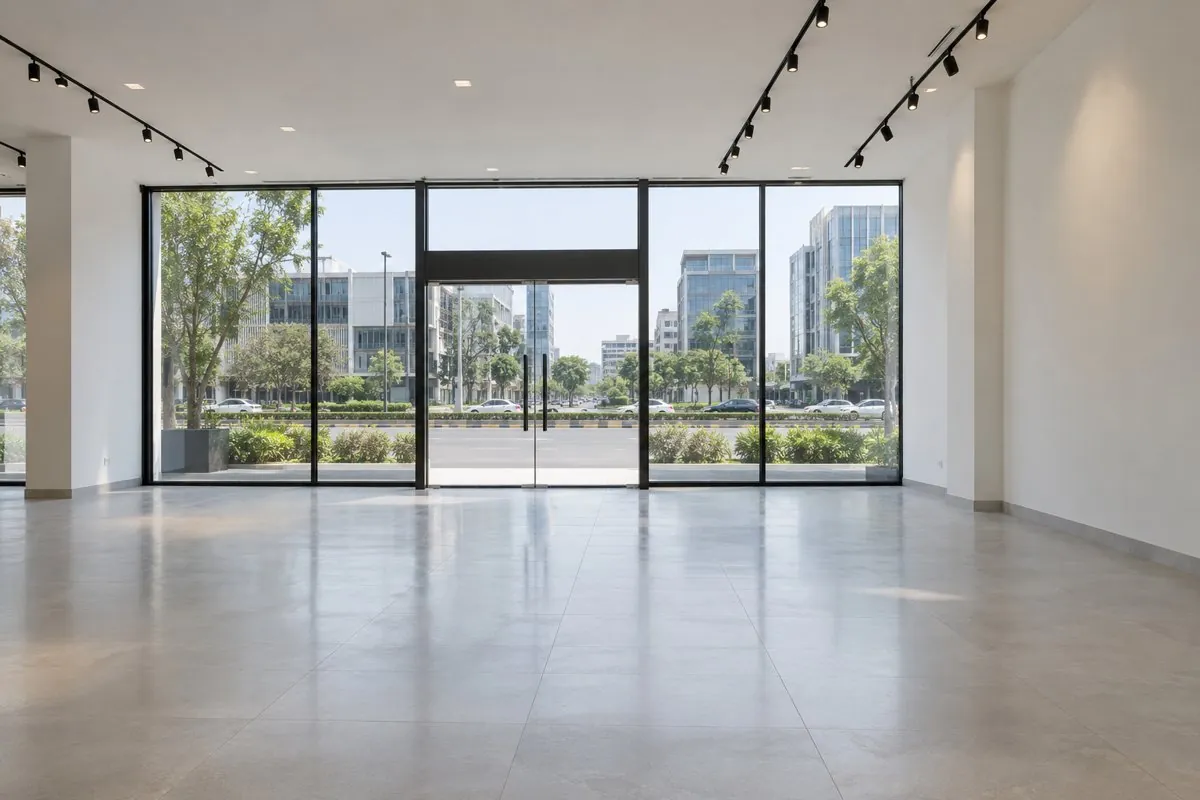
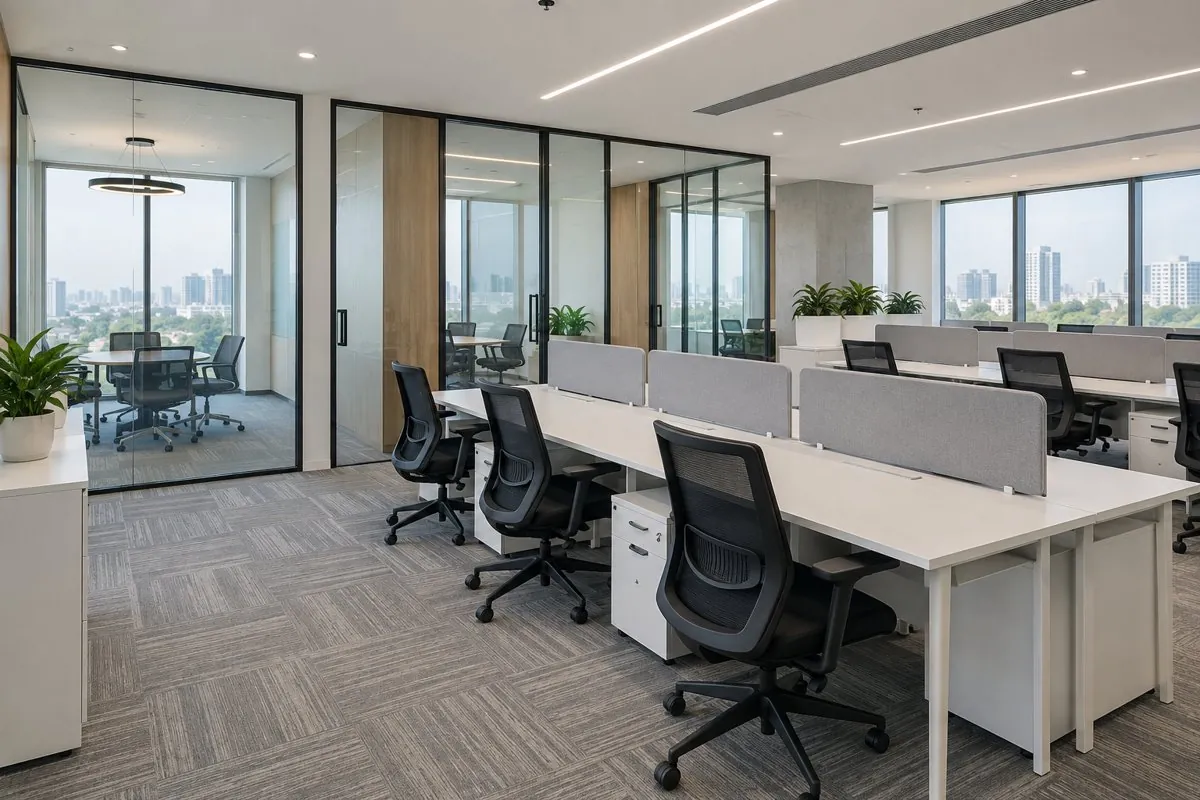
The fit-out decision affects your budget, your moving date and the way your team will work. Compare the space you can actually use, the work still required and the responsibilities you would take on.
Start with what is included
Ask for a written schedule of the space, fittings and equipment included in each proposal. Labels such as fitted, furnished and bare shell can describe different handover conditions. Walk through the property and compare the schedule with what is on site.
For an existing fit-out, check whether the layout suits your headcount, meeting needs and working patterns. A space may still need alterations even when desks and meeting rooms are already in place.
- Confirm which furniture and equipment remain.
- Check the condition of power, cooling and network provisions.
- Record any alterations needed before your team moves in.
Compare the complete setup budget
Put each option into the same cost template. Include the proposed rent, recurring charges, deposits, design work, fit-out, furniture, equipment and moving expenses. Keep refundable deposits separate from costs, while including them in your cash requirement.
Request quotes for the work each space needs. A broad allowance can help with early screening, but a detailed scope is more useful when you are choosing between two offices.
Work backwards from your moving date
Build a programme covering design, approvals, procurement, installation, testing and handover. Ask who is responsible for each stage and confirm when access can start.
Before deciding, review the proposed lease with your advisers, including permissions for alterations and any obligations at the end of occupation. Choose the option whose layout, cost and delivery plan fit your brief.
- Confirm the handover condition in writing.
- Allow time to test services before occupation.
- Keep a contingency for work that takes longer than planned.